Tinnitus Assessment
A detailed assessment to understand persistent ringing, buzzing, or other sounds in the ears and identify the right next steps
What is a Comprehensive Tinnitus Assessment?
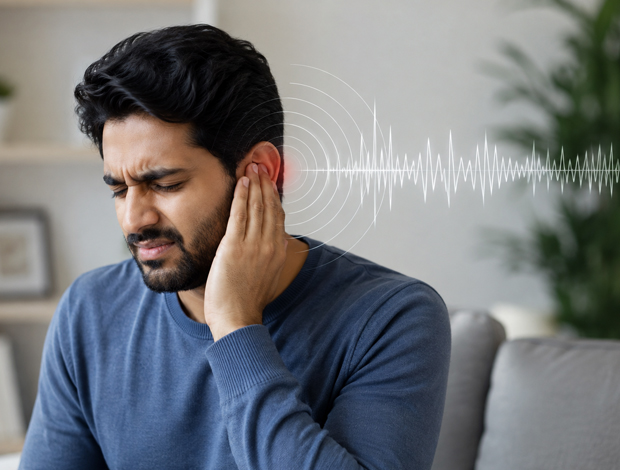
A tinnitus assessment evaluates the characteristics of ringing, buzzing, hissing, or roaring sounds you experience in your ears or head. Unlike a standard hearing test, a tinnitus assessment measures the specific pitch and loudness of your tinnitus, identifies how it affects your daily functioning, and determines whether underlying hearing loss or other conditions are contributing to your perception.
The goal is not just to confirm what you’re hearing, but to build a complete profile of your tinnitus. This profile then guides personalized management strategies tailored to your situation. Some people find that tinnitus is manageable once they understand its characteristics and have targeted solutions.
Who Needs Tinnitus Testing
You may benefit from a tinnitus assessment if you experience persistent ringing, buzzing, hissing, roaring, or other phantom sounds that are not coming from external sources. This evaluation is particularly recommended if your tinnitus:
- Interferes with concentration or focus on work or home
- Disrupts your sleep or makes it difficult to fall asleep
- Causes emotional distress or anxiety
- Affects your ability to enjoy quiet moments or social situations
- Has been present for more than a few weeks
Tinnitus can follow exposure to loud noise, develop alongside age-related hearing loss, or emerge after head or ear trauma. Sometimes it has no obvious trigger. Regardless of the cause, professional assessment is the first step to understanding what’s happening and what can be done about it.
Tinnitus Assessment at RISE
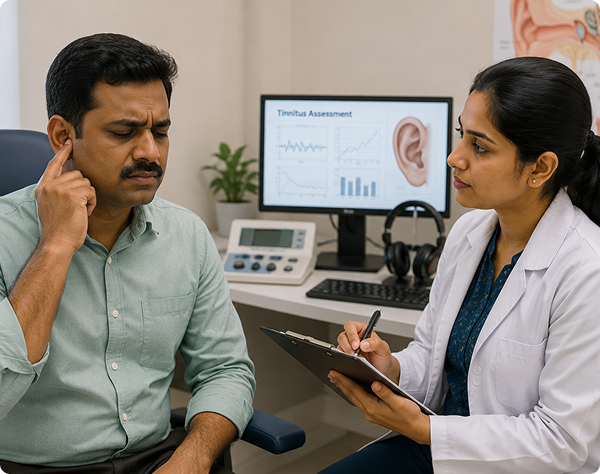
At RISE, we conduct a comprehensive tinnitus assessment using internationally accepted audiology practices to understand your hearing and the nature of your tinnitus.
How the Tinnitus Assessment is Performed at RISE
The assessment follows a structured sequence designed to gather complete information about your tinnitus in a single session.
Comprehensive Hearing Evaluation
Your assessment begins with a comprehensive hearing evaluation. This includes hearing tests that measure how well you hear different sounds and speech, along with tests to assess middle ear function when needed. Since tinnitus often occurs alongside hearing loss, these results help us understand possible causes of your symptoms and recommend the most appropriate management options.
Tinnitus Pitch Matching
Using specialized equipment, we present various tones at different frequencies to accurately identify which pitch matches your tinnitus. Most people identify their pitch within a narrow frequency range. This measurement helps predict which sound therapy approaches will be most effective for you and your very specific tinnitus profile needs.
Loudness Matching
We adjust test tones to determine how loud your tinnitus seems to you personally. This often differs quite significantly from objective prediction. Understanding how loud your tinnitus feels helps us recommend suitable sound therapy and set realistic treatment goals.
Minimum Masking Level
We introduce various external sounds to assess which can effectively mask or reduce your tinnitus perception. Results determine which sound-based therapies—white noise, nature sounds, or structured frequencies are most likely to help you specifically and provide meaningful relief from your tinnitus symptoms in your daily life and regular activities.
Loudness Discomfort Level Testing
For patients with sound sensitivity, we measure the volume at which sounds become uncomfortable or painful. This ensures any recommended treatment, including hearing aids or sound therapy, remains comfortable and manageable for you. Sound-based interventions must feel tolerable to be effective long-term in your daily routine and ongoing treatment plan.
Questionnaire Assessment
We administer standardized questionnaires evaluating how tinnitus impacts your sleep, concentration, and quality of life. These measure tinnitus burden, your subjective experience, which varies independently of loudness and guides personalized management.
What to Expect After Your Tinnitus Assessment
Your Results
Following your assessment, you’ll receive a detailed written report documenting your tinnitus profile, including your identified pitch and loudness, hearing evaluation results, masking test responses, and tinnitus burden scores. The report includes graphs and charts visualizing your hearing pattern in an easy-to-understand format.
Understanding Your Tinnitus
During your results consultation, our audiologist will explain your findings and discuss how your hearing pattern contributes to your tinnitus perception. We'll identify which frequencies are most affected and what your questionnaire responses reveal about tinnitus's impact on your life. We'll also address any underlying causes identified, such as earwax accumulation, middle ear dysfunction, or noise-induced hearing loss patterns.
What Comes Next
Based on your assessment, we recommend personalized management options including sound therapy calibrated to your profile, hearing aids with tinnitus masking features, counseling, relaxation techniques, or lifestyle modifications. We schedule a separate consultation to discuss your management plan in detail and determine which approaches fit your lifestyle and preferences. Treatment for tinnitus is highly individualized—our goal is finding solutions that work for you.
Schedule Your Tinnitus Assessment at RISE
If persistent ringing, buzzing, or humming in your ears is affecting your daily life, don’t ignore it. A comprehensive tinnitus assessment can help identify possible causes, evaluate your hearing health, and guide you towards the right management options.
Our experienced audiologists at RISE provide detailed tinnitus evaluations in a comfortable and supportive environment, ensuring you understand your condition and the treatment options available.
Book your tinnitus assessment today and take the first step towards better hearing and improved quality of life.
Frequently Asked Questions
What is included in a comprehensive tinnitus evaluation?
A comprehensive evaluation includes full hearing assessment, tinnitus pitch and loudness matching, minimum masking level testing, loudness discomfort, and questionnaires measuring tinnitus burden. Imaging or lab testing may be recommended based on your case history.
How long does a professional tinnitus assessment take?
A complete tinnitus assessment typically takes 60 to 90 minutes, depending on your individual needs and how much explanation and discussion you want. This includes time for testing, results review, and initial discussion of management options.
Is there a specific test that can identify the exact pitch of my ear ringing?
Yes. Tinnitus pitch matching is our standard clinical test. We present tones at various frequencies until you identify your pitch. While capturing your primary frequency, some experience multiple frequencies. Test accuracy reflects clinical testing limits.
Can a tinnitus assessment determine the root cause of my tinnitus?
Assessment identifies contributing factors such as hearing loss, middle ear dysfunction, or sound sensitivity. Addressing these may improve your tinnitus. However, some experience tinnitus without identifiable causes through standard testing. Our assessment still provides valuable information guiding effective management approaches.
Do I need a referral to schedule a tinnitus assessment at RISE?
No, you do not need a doctor’s referral to schedule a tinnitus assessment. You can contact RISE directly to book an appointment. However, if your doctor recommends the evaluation, we’re happy to accept the referral and can coordinate your care with your physician.
How should I prepare for my tinnitus assessment?
There’s minimal preparation needed. Wear comfortable clothing and avoid loud environments a few hours before your appointment. Plan to spend 60 to 90 minutes with us. Bring any previous hearing test results and be ready to describe your tinnitus, when it started, whether it’s constant, and how it impacts your life.


Take the First Step — Book Your Consultation
Book an assessment with RISE certified specialists and get a clear, personalised plan for your or your child’s hearing, communication, or developmental needs.