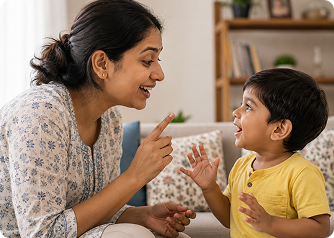
Pediatric Hearing Aids
Safe, colorful, child-friendly hearing solutions that support learning and development
Pediatric Hearing Evaluation at RISE Hearing Aid Centre
Every child experience the world through sound. From hearing a parent’s voice for the first time to following instructions in a noisy classroom, hearing underpins nearly every aspect of how a child learns, communicates, and connects with the people around them.
When hearing difficulties go unnoticed, the consequences are rarely obvious at first. A child may fall behind in speech. They may seem distracted in class. They may withdraw from friendships without anyone understanding why. Early identification through a professional pediatric hearing test can change that trajectory entirely, giving children the support they need before the gaps become harder to close.
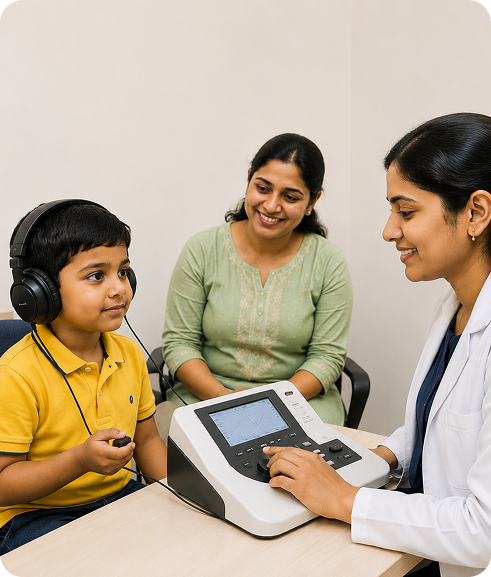
At RISE Hearing Aid Centre, we provide comprehensive hearing tests for children in Chennai using diagnostic methods designed specifically for infants, toddlers, preschoolers, and school-aged children. Our audiologists create a calm, unhurried environment where children feel at ease and parents leave with clear answers.
Whether your concern is delayed speech, recurring ear infections, difficulty following instructions, or unexplained struggles at school, a pediatric hearing assessment is the right place to start.
Understanding Pediatric Hearing Loss Assessment
A pediatric hearing evaluation measures how well a child hears sounds across different frequencies and volumes. Think of it as a detailed map of your child’s hearing, one that shows not just whether they can hear, but precisely where and how their hearing functions.
Children can experience hearing loss for a wide range of reasons, including:
Congenital hearing loss present at birth
Recurrent ear infections
Fluid buildup in the middle ear
Congenital hearing loss present at birth
Illnesses affecting hearing
Noise-related hearing damage
Developmental conditions
The reality is that many hearing difficulties are not immediately visible. They develop quietly and are often mistaken for behavioural issues, learning difficulties, or simple inattentiveness. A professional hearing loss assessment in children cuts through that uncertainty. It identifies what is happening, how significant it is, and what can be done about it.
Early diagnosis matters because it creates options. Medical treatment, hearing technology, speech therapy, and educational support are all far more effective when they begin early. The sooner a concern is identified, the sooner your child receives the help that genuinely makes a difference.
Why Hearing Tests Are Important for Your Child

Helping Your Child Learn to Talk and Express Themselves
Children acquire language by listening to the sounds around them from the very first days of life. If hearing loss is present, they may miss critical speech sounds that help them build vocabulary, develop pronunciation, and form the foundations of communication. When hearing loss goes undiagnosed during these early years, the gap between a child's communication ability and their peers can widen quickly. Early hearing assessments ensure children receive the support they need to develop strong language skills before delays become harder to address.

Ensuring Your Child Succeeds in School and Classrooms
A child who cannot hear classroom instructions clearly may struggle to follow lessons, participate in discussions, or complete activities that rely on listening. The impact often extends beyond academics to a child's overall confidence in the learning environment. Many children with undiagnosed hearing loss are mistakenly perceived as inattentive or disruptive when the real barrier is simply that they cannot hear what is being said. Regular hearing evaluations help identify hearing-related learning challenges before they affect academic progress and a child's relationship with school.

Making Sure Your Child Connects and Makes Friends Easily
Communication is at the heart of every friendship and social interaction. Children with hearing difficulties may avoid conversations, become frustrated during play, or withdraw from group activities because they find it hard to follow what others are saying. These experiences can quietly erode a child's confidence and willingness to engage socially. Identifying hearing issues early helps children participate more comfortably in conversations, build friendships, and develop the social confidence that supports healthy emotional growth.
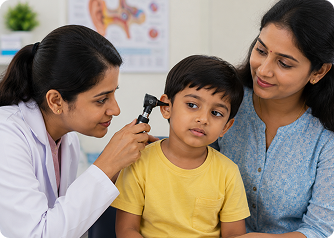
Catching Hidden Ear Infections and Fluid Early
Persistent ear infections and fluid buildup behind the eardrum are among the most common causes of temporary hearing loss in young children. Without proper evaluation, these conditions may continue affecting hearing and language development over months or even years. Parents do not always realise that recurring infections are having a cumulative impact on their child's ability to hear clearly. A pediatric hearing test can detect middle-ear problems that need medical attention, stopping the cycle before it causes longer-term developmental consequences.
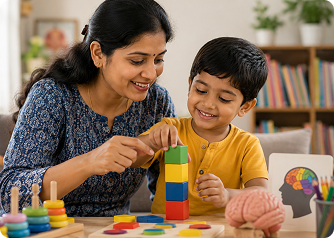
Supporting Healthy Brain and Mental Development
The early years of life are a critical window for brain development. The brain relies heavily on consistent sound stimulation to build the pathways responsible for language processing, memory, attention, and communication. When a child misses out on that auditory input during the formative years, cognitive development in these areas can be affected in ways that go far beyond hearing alone. Timely hearing assessments ensure children receive the sensory input their developing brains need during the window when it matters most.
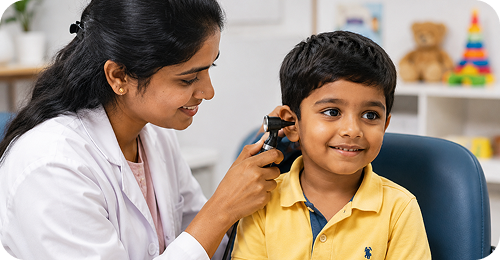
Signs Your Child Needs a Professional Hearing Screening
Parents are often the first to notice the subtle signs of hearing difficulties. Consider scheduling a pediatric hearing evaluation if your child shows any of the following:
Delayed Speech or Unclear Pronunciation
Children who have difficulty hearing speech sounds may show delayed language development or produce unclear speech patterns that are difficult for others to understand. If your child’s speech seems behind that of peers the same age, a hearing assessment is a valuable first step.
Frequently Asking "What?" or Needing Repetition
If your child regularly asks people to repeat themselves or responds as though they have not heard a question, hearing difficulties may be affecting their ability to process spoken language consistently.
Delayed Speech or Unclear Pronunciation
Children who have difficulty hearing speech sounds may show delayed language development or produce unclear speech patterns that are difficult for others to understand. If your child’s speech seems behind that of peers the same age, a hearing assessment is a valuable first step.
Turning Up Volume Excessively
Watching television or using devices at unusually high-volume levels is a common early sign of hearing difficulty in children. While it can have other explanations, it is always worth investigating with a professional assessment.
Difficulty Following Instructions
Children who frequently miss instructions, respond inconsistently to their name being called, or seem confused during conversations may not be hearing all the information being directed at them.
Poor Academic Performance or Inattentiveness
Hearing problems and attention difficulties can present in very similar ways. If your child is struggling in school, a hearing assessment helps rule out hearing as a contributing factor before other explanations are explored.
Frequent Ear Infections
Recurring ear infections can temporarily or permanently affect hearing and should always be monitored carefully. If your child has experienced multiple ear infections in a single year, a hearing evaluation is strongly recommended.
What Happens During a Pediatric Hearing Test?
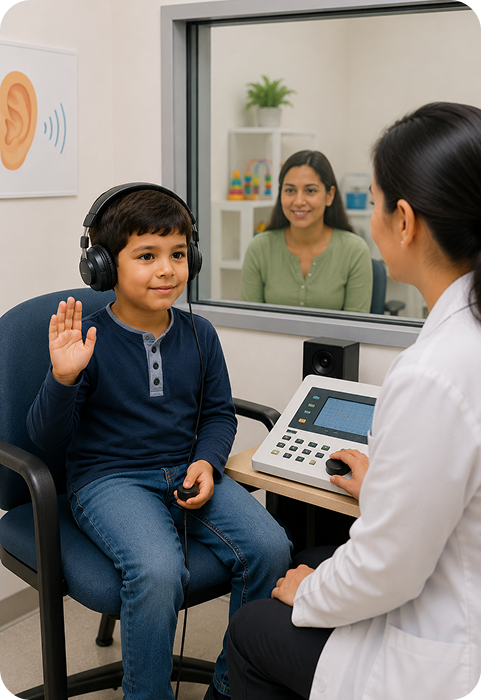
At RISE Hearing Aid Centre, hearing evaluations are customised based on your child’s age, developmental stage, and ability to participate. Our audiologists use age-appropriate techniques to ensure results are accurate, reliable, and meaningful.
Behavioral Observation Audiometry (BOA)
BOA is used for newborns and very young infants who cannot yet actively participate in testing. The audiologist presents a range of sounds and carefully observes the baby's natural reactions, including eye movements, startle responses, changes in facial expression, and head movements. These observations help determine whether the child is responding appropriately to auditory stimuli.
Visual Reinforcement Audiometry (VRA)
VRA is typically used for children between six months and two years of age. Sounds are presented through speakers or headphones, and when the child turns toward the sound source, they are rewarded with an engaging visual stimulus such as a light or animated toy. This method measures hearing sensitivity in a way that feels interactive and enjoyable for young children while providing clinically accurate results.
Conditioned Play Audiometry (CPA)
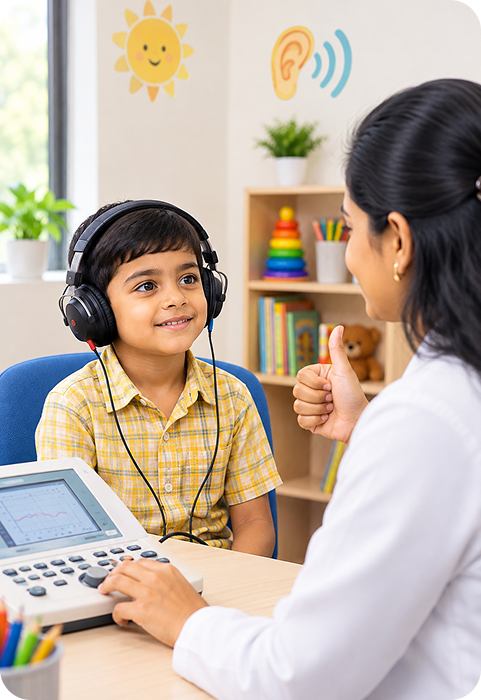
CPA is designed for toddlers and preschool-aged children who can follow simple instructions with guidance. The child participates in a play-based activity, such as placing a block into a bucket each time they hear a sound. This approach makes the assessment feel like a game while providing precise information about hearing thresholds across different frequencies.
Pure Tone Audiometry
For older children who can follow instructions reliably, pure tone audiometry measures hearing sensitivity across a range of frequencies and volumes. The child wears headphones and indicates, by pressing a button or raising a hand, whenever they hear a sound. This test establishes the degree and configuration of any hearing loss present.
Tympanometry (Middle Ear Function Test)
Tympanometry evaluates how well the eardrum and middle ear system are functioning by measuring the eardrum's response to changes in air pressure. This quick, safe, and painless test helps identify middle ear fluid, ear infections, eustachian tube dysfunction, and eardrum abnormalities that may be affecting hearing.
Otoacoustic Emissions (OAE) Screening
OAE testing assesses the function of the inner ear by placing a small probe inside the ear canal to deliver sounds and record the responses generated by the cochlea. This test is widely used in newborn hearing screening programmes and provides valuable information about inner ear health that complements other assessment findings.
Advanced Hearing Aid Options for Children at RISE Hearing Aid Centre
If hearing loss is identified following assessment, our team provides detailed guidance on appropriate hearing solutions based on your child’s age, degree of hearing loss, lifestyle, and specific needs.
Behind-the-Ear (BTE) Hearing Aids for Growing Ears
BTE hearing aids are the most frequently recommended devices for children because of their combination of power, durability, and flexibility. The external earmold can be replaced as the child's ears grow, making them a practical long-term solution. They provide powerful amplification suitable for a wide range of hearing loss, are easy to adjust as a child's needs change, and are robust enough to keep up with active daily life.
Pediatric Fitting and Verification Process
Every hearing aid fitted at RISE Hearing Aid Centre is carefully programmed and verified to match your child's individual hearing profile. We use real-ear measurement and other clinical verification techniques to ensure that the amplification the child receives is precisely matched to their hearing needs, supporting speech understanding and language development from the very start.
Child-Safe Battery Compartments
Safety is a non-negotiable priority in pediatric hearing care. Many hearing aids designed for children include secure battery compartments and tamper-resistant controls to prevent accidental access and changes to settings. These features give parents peace of mind while allowing children to wear their devices independently as they grow.
Durable Hearing Aids
Children lead active lives, and their hearing aids need to keep up. Modern pediatric hearing devices are built to withstand the demands of daily play, outdoor activities, and school environments. Advanced moisture resistance and robust construction ensure that devices remain reliable and effective through the rough and tumble of childhood.
Fun and Bright Color Options
Many hearing aid models for children are available in a wide range of colours and designs that children enjoy choosing for themselves. Giving children ownership over how their devices look helps them feel comfortable and confident wearing them, which directly supports consistent use and better outcomes.
Tamper-Proof Design
Pediatric hearing aids include tamper-resistant controls and secure compartments that prevent young children from accidentally adjusting settings or accessing batteries. These built-in safety features allow children to wear their devices independently while giving parents confidence that the aids are working exactly as programmed.
Bluetooth Connectivity for Classroom Use
Modern hearing aids can connect directly to educational technology and classroom audio systems through Bluetooth. This allows children to hear their teacher's voice clearly, even in noisy or acoustically challenging environments, significantly improving listening and learning in school settings.
Why Choose RISE Hearing Aid Centre for Hearing Tests for Children in Chennai?
Expert Audiologists and Specialists
Our audiologists specialise in evaluating hearing in infants, toddlers, and children across all age groups using diagnostic techniques designed specifically for pediatric patients. Their experience with child-specific assessment methods ensures that results are accurate, even with very young or anxious children.
Child-Focused Diagnostic Technology
We use advanced diagnostic equipment selected for pediatric hearing assessment to ensure reliable results across every age group and developmental stage. Our testing environment is designed to be calm, child-friendly, and free from the distractions that can affect test accuracy.
Personalized Patient Care
Every child who comes to RISE Hearing Aid Centre receives individualised attention. We take the time to understand your specific concerns, explain assessment results in clear and accessible terms, and develop recommendations that are tailored to your child rather than drawn from a generic protocol.
Comprehensive Hearing Solutions
From hearing assessments and diagnosis to hearing aid fitting, verification, and long-term follow-up, we provide complete pediatric hearing care in a single, convenient location. Families do not need to navigate multiple providers to access the support their child needs.
Post-Sale Support and Maintenance
Children's hearing needs change as they develop. Our team provides regular hearing aid adjustments, earmold replacements, maintenance, and monitoring to ensure that your child's hearing support remains appropriate and effective at every stage of their growth.
Frequently Asked Questions (FAQs)
Will I need to do anything to prepare for a hearing test?
Generally, no special preparation is required. Ensure your child is rested, comfortable, and relaxed before the appointment. If your child uses any hearing devices or has previous audiological reports, bring these along as they may be helpful during the assessment.
Are there any risks to hearing tests?
No. Pediatric hearing tests are entirely safe, painless, and non-invasive. All procedures used at RISE Hearing Aid Centre are standard clinical methods widely used in pediatric audiology.
Causes of hearing problems in babies and children
Common causes include genetic conditions, recurrent ear infections, fluid in the middle ear, premature birth, certain illnesses during pregnancy or infancy, exposure to loud noise, and congenital hearing loss that is present from birth.
How much does a pediatric hearing test cost in Chennai?
Costs vary depending on the type and combination of testing required. Contact RISE Hearing Aid Centre directly for current pricing and appointment information.
At what age can a child have their first hearing test?
Hearing assessments can be performed from birth. Newborn hearing screening is typically conducted within the first few weeks of life, and formal diagnostic evaluations can be carried out at any age thereafter.
How long does a diagnostic pediatric hearing test session take?
Most evaluations take between 30 and 60 minutes, depending on the child’s age and the specific tests required. Some younger or more complex cases may require a follow-up appointment to complete the assessment.
What is the difference between a school screening and a diagnostic clinic test?
School screenings are designed to flag children who may have a hearing concern and refer them for further evaluation. A diagnostic assessment conducted in a clinical setting provides detailed information about hearing levels, the type and severity of any hearing loss, and specific treatment or support recommendations.
Can a child wear a hearing aid in both ears?
Yes. If hearing loss is present in both ears, bilateral hearing aids are typically recommended to support balanced sound perception, speech understanding, and the ability to locate sounds in the environment.
How often should a child's hearing aid be updated or replaced?
The timeline varies based on the child’s growth, changes in hearing levels, and advances in technology. Regular follow-up appointments allow our audiologists to determine when updates or replacements are needed.
Does my child need speech therapy alongside a hearing aid?
Some children benefit from both hearing aids and speech-language therapy, particularly when hearing loss has affected communication development. Our team can coordinate referrals and work alongside speech therapy providers to ensure a cohesive approach.
How do you get a stubborn or anxious toddler to participate in a hearing test?
Our audiologists are experienced in working with young, anxious, and reluctant children. We use play-based techniques, familiar games, visual rewards, and a great deal of patience to help children feel comfortable and engaged throughout the assessment.
Can my child wear their hearing aid while playing sports or at recess?
Yes. Pediatric hearing aids are designed for active daily use. Additional retention accessories can be recommended for high-activity situations to ensure the device stays securely in place.
How do I know if my child's school difficulties are due to hearing loss or ADHD?
A comprehensive hearing evaluation is an important first step whenever a child is experiencing academic or behavioural difficulties, because hearing loss and attention difficulties can present in similar ways. A clear hearing assessment helps determine whether auditory factors are contributing to the challenges before other pathways are explored.
How often will my growing child need new earmolds for their hearing aids?
Young children may need new earmolds every few months because their ears grow rapidly. Your audiologist will check the fit at every follow-up visit and arrange replacements as needed to ensure the hearing aid continues to perform effectively.