
Audiometry Test
Get a clear picture of your hearing with accurate, professional audiometry testing at RISE.
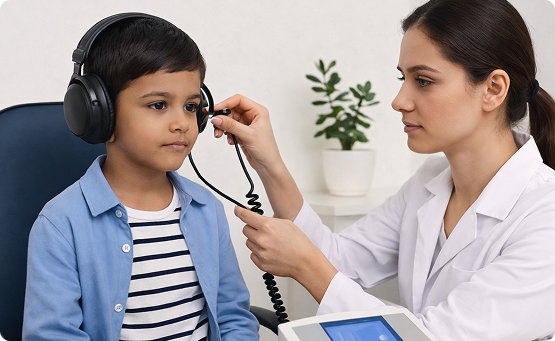
What Is an Audiometry Test?
An audiometry test measures the softest sounds a person can hear at different frequencies. The results are recorded on an audiogram, which shows hearing sensitivity in each ear. It helps identify whether hearing falls within the expected range or whether hearing loss may be present.
A hearing evaluation may include pure tone audiometry, which measures responses to different tones, and speech audiometry, which assesses speech detection and understanding. The test is painless, non-invasive, and requires no recovery time. Audiometry can be used to assess hearing in children, adults, and older adults and helps guide appropriate next steps when hearing difficulties are identified.
Who Needs an Audiometry Test?
An audiometry test may be recommended when there are signs of a change in hearing or when a hearing assessment is needed for clinical or practical reasons.
You may benefit from a hearing test if you:
- Frequently ask people to repeat themselves
- Find it difficult to follow conversations in noisy places
- Feel that people are speaking unclearly or mumbling
- Increase the volume of the television or phone frequently
- Have difficulty hearing on the telephone
- Notice hearing difficulty in one ear
- Experience ringing, buzzing, or other sounds in the ears
- Have a history of regular exposure to loud sounds
- Have had an ear infection or other ear-related concern
- Notice changes in hearing as you get older
- Are concerned about a child’s response to sounds or speech development
A hearing test may also be recommended before selecting and fitting a hearing aid. At RISE, hearing aid recommendations are based on the person’s hearing profile, communication needs, and everyday listening requirements rather than on the device alone.
Audiometry Test in Chennai at RISE
At RISE, audiometry testing is conducted in a controlled environment to assess hearing accurately. Each ear is tested across different frequencies, with results recorded on an audiogram for clear interpretation. The assessment may include pure tone and speech audiometry, based on individual hearing concerns. Our audiologists explain the results clearly, helping you understand your hearing and whether further evaluation is needed. Whether you have difficulty following conversations, notice changes in hearing, or want a routine check, an audiometry test in Chennai at RISE provides a reliable starting point for understanding your hearing needs and planning appropriate next steps.
How the Audiometry Test Is Performed at RISE
Soundproof Environment
The assessment is conducted in a quiet, controlled environment to minimise background noise that could affect hearing measurements. Headphones or suitable transducers deliver sounds separately to each ear, helping the audiologist obtain accurate and reliable hearing thresholds across different frequencies.
Pure Tone Audiometry Test
During pure tone audiometry, different tones are presented through headphones at varying pitches and volumes. You respond whenever you hear a sound, usually by pressing a button or giving another simple response. The audiologist uses these responses to determine the softest sounds you can hear at different frequencies.
Speech Recognition Test
Speech audiometry evaluates how well you detect and understand spoken words at different listening levels. This complements pure tone testing by showing how hearing ability may affect everyday communication. The assessment can help identify difficulties understanding speech, particularly when conversations become challenging or background noise is present.
Impedance Audiometry (Tympanometry)
Impedance audiometry checks the health and movement of the eardrum and the function of the middle ear, rather than measuring hearing thresholds directly. A small probe placed at the entrance of the ear canal measures how the eardrum responds to changes in air pressure. This test can help identify fluid in the middle ear, eardrum perforation, or issues with the small bones that transmit sound, and is often used alongside pure tone and speech audiometry for a fuller picture of ear health.
Audiogram Plotting
Your hearing responses are recorded on an audiogram, which provides a visual representation of hearing sensitivity across different frequencies in each ear. The audiologist reviews the pattern to identify any hearing loss and differences between the ears, then explains what the results mean for your everyday hearing and communication needs.
Immediate Results Review
After the assessment, the audiologist reviews your results and explains the findings in clear, easy-to-understand terms. You can discuss any hearing concerns, understand what your audiogram indicates, and learn whether further evaluation, monitoring, hearing protection, or hearing support may be appropriate based on your individual results.
How to Prepare for an Audiometry Test?
An audiometry test usually requires no special preparation. However, a few simple steps can help the assessment go smoothly.
Before Your Appointment
- Note any changes you have noticed in your hearing.
- Tell the audiologist about previous ear problems or hearing concerns.
- Bring previous hearing test reports, if available.
- Bring your hearing aids, if applicable.
- Arrive on time for the assessment.
- Let the audiologist know if you have difficulty understanding instructions.
There is generally no need for fasting, injections, or medication. For children, parents can explain that the test involves listening to sounds and responding when they hear them. Age-appropriate methods may be used based on the child’s ability.
Behavioural Observation Audiometry (BOA) for Paediatrics
Infants and very young children who cannot yet respond to instructions in the way standard audiometry requires are assessed using behavioural observation audiometry. Sounds of varying frequencies and intensities are presented, and the audiologist observes the child’s natural responses, such as eye movement, head turn, startle, or changes in activity, to estimate hearing sensitivity. BOA is typically used for younger infants, with other age-appropriate paediatric methods used as a child grows older and can participate more actively in the assessment.
What to Expect After Your Audiometry Hearing Test
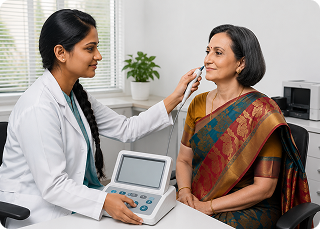
Your Results
After the assessment, your hearing thresholds are recorded on an audiogram for each ear across different frequencies. The results help show whether your hearing falls within the expected range or indicates hearing loss.
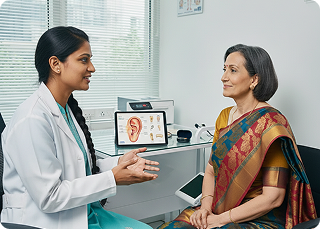
Understanding Your Hearing
An audiogram can be difficult to interpret without professional guidance. Your audiologist will explain the results clearly and help you understand what they may mean for everyday activities, including conversations, telephone calls, watching television, and listening in noisy environments.
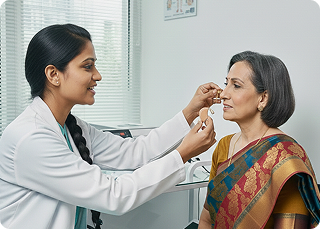
What Next?
Your next step depends on your results and individual hearing needs. You may only need routine monitoring, while others may require further testing, medical evaluation, hearing protection, or rehabilitation. If hearing aids are recommended, your audiogram helps determine suitable devices and programming. At RISE, hearing aid support includes fitting, adjustments, and follow-up care.
What Are the Possible Results of Audiometry?
Audiometry results are expressed in decibels hearing level and plotted across different frequencies. The overall pattern helps the audiologist understand the degree and nature of hearing difficulty.
Audiometry results are expressed in decibels hearing level and plotted across different frequencies. The overall pattern helps the audiologist understand the degree and nature of hearing difficulty.
Results may indicate
Hearing within the expected range
Hearing sensitivity is adequate across the frequencies tested.
Mild hearing loss
Some softer sounds may be difficult to hear, particularly in challenging listening environments.
Moderate hearing loss
Following conversations may become more difficult, especially when there is background noise.
Moderately severe to severe hearing loss
Speech and everyday sounds may be difficult to hear without appropriate support.
Profound hearing loss
Very loud sounds may be required for detection, and further specialist evaluation may be recommended.
Frequently Asked Questions
What does the audiometry test actually check?
An audiometry test checks how softly a person can hear sounds at different frequencies. It can also include speech testing to assess how well speech is detected and understood. The results are plotted on an audiogram for each ear.
Will I feel any pain during the procedure?
No. A routine audiometry test is painless and non-invasive. You will listen to sounds through headphones or other appropriate equipment and respond when you hear them.
How long does an audiometry test take?
A routine audiometry assessment generally takes around 20 to 30 minutes, although the duration can vary depending on the type of assessment required and the person’s responses.
Do I need to do anything before the test?
Routine audiometry usually does not require special preparation. You can eat and drink normally. It is helpful to bring previous hearing reports and inform the audiologist about any existing ear or hearing concerns.
Is this evaluation safe for young kids?
Yes. Hearing assessments are non-invasive and do not expose children to radiation or medication. However, standard pure tone audiometry requires the child to understand and respond to sounds. Younger children may therefore need age-appropriate testing methods based on their developmental level. RISE provides dedicated paediatric hearing evaluations when standard audiometry is not suitable.
How frequently should a person get their hearing checked?
There is no single testing interval that applies to everyone. The appropriate frequency depends on age, hearing history, symptoms, noise exposure, existing hearing loss, and clinical recommendations. Anyone who notices a change in hearing should consider an assessment rather than waiting for a routine check.
How much does an audiometry test cost in Chennai?
The cost of an audiometry test in Chennai can vary depending on the type of assessment required and whether additional hearing tests are performed. For the current audiometry test cost at RISE Hearing Aid Centre, contact the centre directly for the latest pricing and appointment information.


Take the First Step — Book Your Consultation
Book an assessment with RISE certified specialists and get a clear, personalised plan for your or your child’s hearing, communication, or developmental needs.